
UX RESEARCH & UI DESIGN
QUMEL
P2P Trading App
Mobile app for service and product exchange, powered by AI and QUMEL token rewards
Project QUMEL – an AI-enhanced mobile app for peer-to-peer exchange of services and products, powered by a custom token economy (QML). Designed with intuitive navigation, smart matchmaking, and gamified UX to foster seamless user engagement.
Customer
Startup / Crypto Marketplace
Categories
UX Research
Wireframing
UI Design
Project Context and Challenges
Who is the Target User?
QUMEL is designed for users who are open to alternative forms of exchange and digital-first solutions — primarily young adults, freelancers, tech enthusiasts, and participants in the sharing economy.
They value independence, flexibility, and fair, peer-to-peer transactions without middlemen.
Their key needs include fast registration, easy offer creation, smart matching, and secure service and product exchange.
Project Goal
The goal of this project was to design an intuitive and engaging mobile application that enables users to exchange services and products directly, using QUMEL tokens as a reward system.
The app needed to simplify complex exchange logic through smart matching, while offering a clean, user-friendly interface that builds trust and encourages active participation.
Key Challenges
-
Designing the matching logic – simplifying the process of exchanging products and services based on QUMEL token value.
-
Integrating an AI assistant – implementing a feature that helps users discover the most relevant offer matches.
-
Balancing simplicity and functionality – creating a clear and user-friendly interface despite the complex exchange model.
Creative Process
UX Research, Competitive Analysis, Testing & Hi-fidelity UI Design
Research & Analysis
Analyzing trends and platforms in exchange and token-based apps to find UX inspiration.
Business Requirements
Defining key client needs, app functionality, and the purpose of the QUMEL token.
User Flow
Mapping a simple, logical user journey supported by AI-based matching.
Lo-fi Wireframes
Creating quick screen sketches focused on structure and key user actions.
User Testing
Validating app intuitiveness and QUMEL usage with early user feedback.
UI Design
Designing the final interface with refined typography, color and microinteractions.
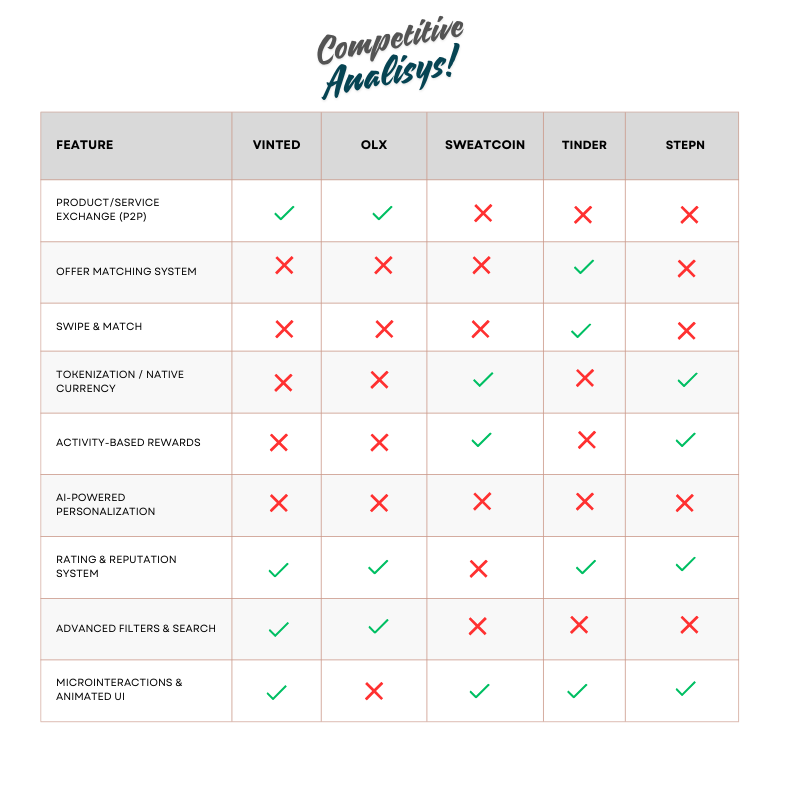
Research & UX Analysis
Conducting market and UX research to explore peer-to-peer exchange models, identify user needs, and uncover opportunities for AI-driven interactions and token-based engagement.
Market and Competitor Analysis
As part of the UX research, I analyzed exchange platforms and token-based apps to understand user needs and identify key trends such as simple peer-to-peer models, AI-powered features, and gamification elements that boost engagement.
Gaps and Issues in Existing Solutions
The research revealed a lack of smart matching, low automation, limited filtering options, and poor personalization. These insights helped guide the design toward a more relevant and user-friendly experience.
Foundation for Next Project Stages
The findings laid the groundwork for designing user flows, matching logic, and a token-based reward system. The research confirmed the value of implementing an AI assistant and gamified engagement through QUMEL tokens.
Business Requirements
QUMEL Token Economy
Designing a reward system based on custom tokens used for valuing offers, boosting activity, and enabling alternative exchanges.
Peer-to-Peer Model
Allowing users to exchange services and products directly — without third-party involvement or traditional currency.
Smart Matching System
Implementing intuitive swipe-based offer matching supported by AI to improve discovery and engagement.
Clear Offer Categorization
Structuring listings into two main categories – Products and Services – with predefined, easy-to-navigate subgroups.
Gamification & Activity Incentives
Ensuring a safe experience through a reputation system, transaction history, and clear exchange flow.
Trust & Transparency
Ensuring a safe experience through a reputation system, transaction history, and clear exchange flow.
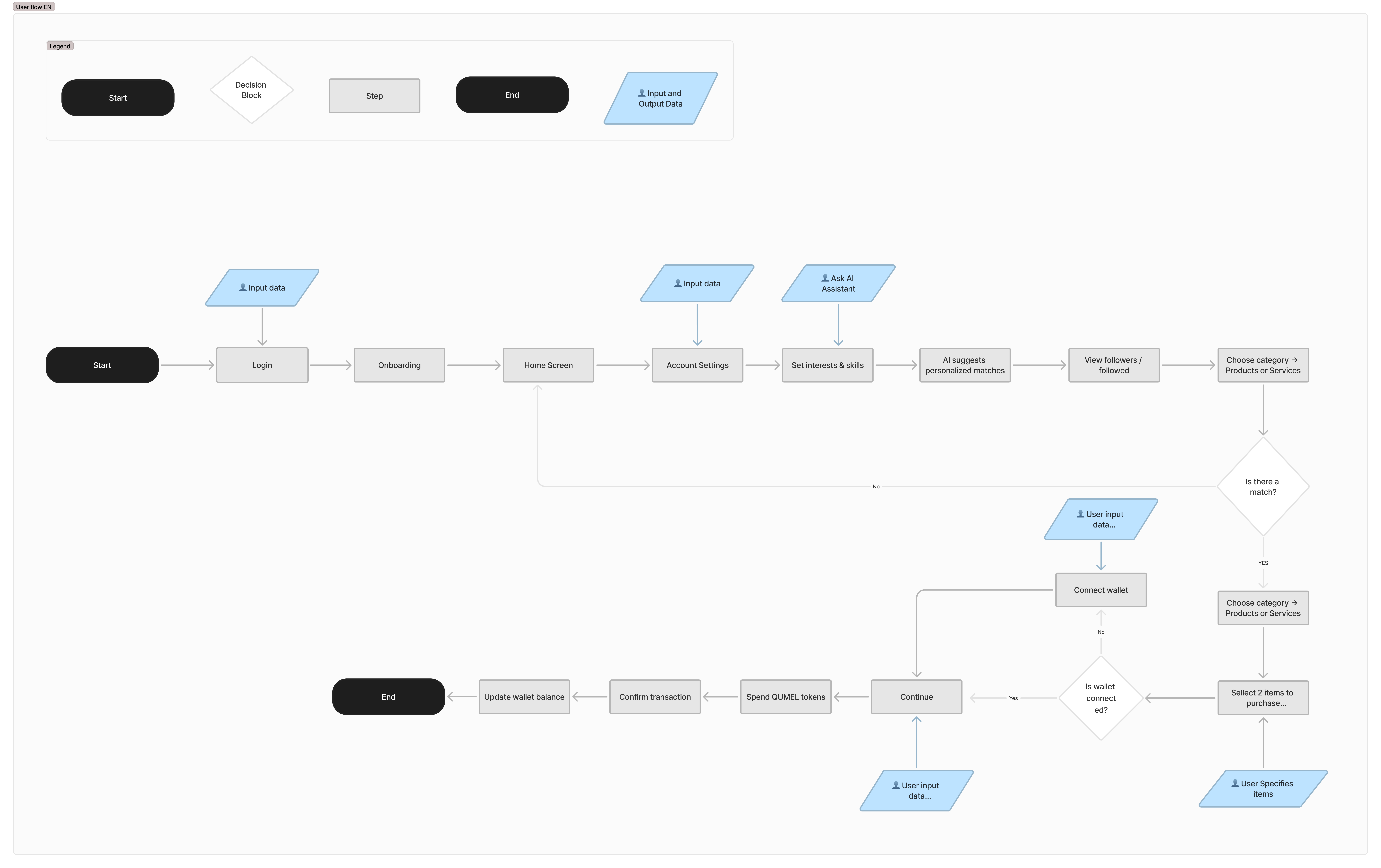
User Flow
Description
This flow illustrates the primary path a user follows within the QUMEL mobile app — from onboarding to completing a transaction using QUMEL tokens. It emphasizes logical decision points, AI-powered matching, and seamless exchange.
Key Challenges
-
Onboarding
Users sign up and access the home screen after verification. -
Profile & Preferences Setup
They complete account details, set preferences, and receive match suggestions from the AI assistant. -
Service/Product Exploration
Users browse categories, explore listings, and interact through a swipe-based interface. -
Match & Transaction
If a match occurs, they proceed. If not, they can choose an item and purchase using QUMEL tokens. -
Wallet Integration
If the wallet is not yet connected, the app prompts the user to activate it before completing the transaction. -
Token-based Purchase
The transaction is confirmed, tokens are deducted, and the wallet is updated.
Outcome / Result
This logical path ensures a simple, user-centered flow while enabling intelligent exchange mechanics and rewarding engagement.
Mobile Wireframes
Low-fidelity wireframes were created to map out the core structure and functionality of the QUMEL mobile app.
They focus on layout, content hierarchy, and flow logic, ensuring intuitive navigation before visual styling is applied. The wireframes helped validate the matching system, service/product browsing, and transaction flow using QUMEL tokens.

Lauch Screen
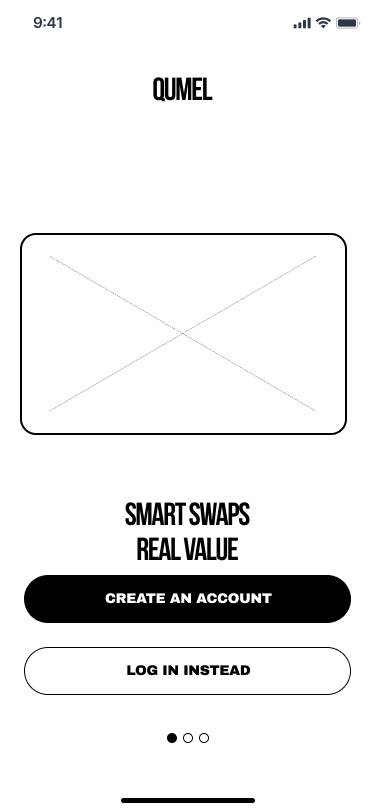
Welcome
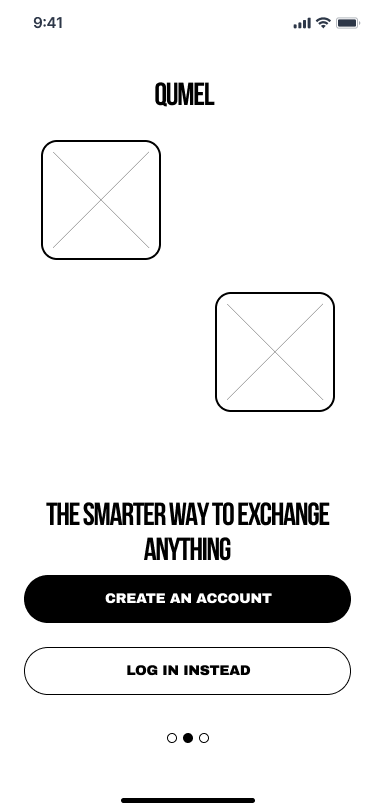
Get Started
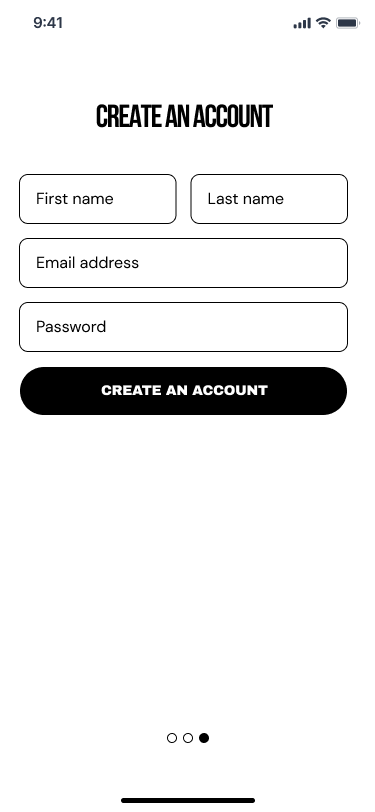
Signup
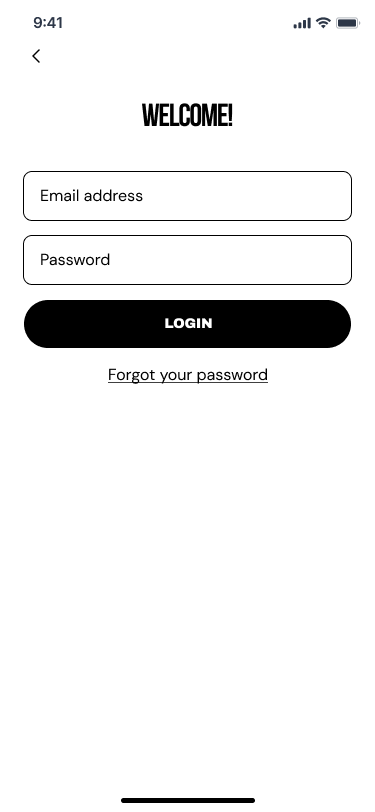
Login
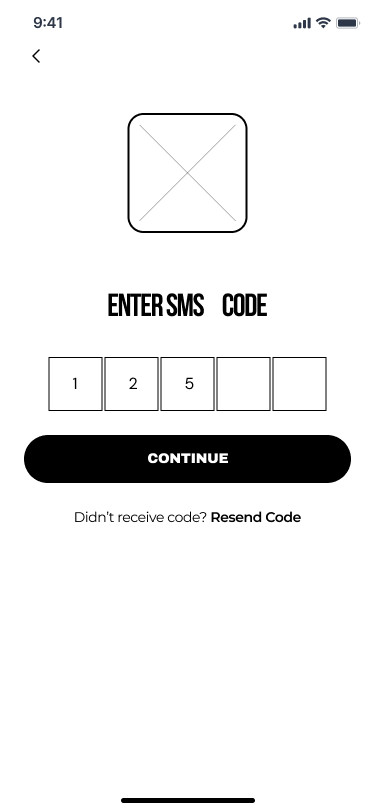
Verification
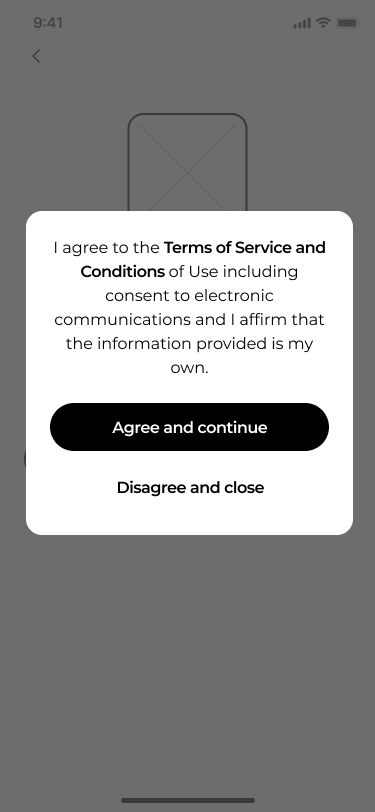
Confirmation
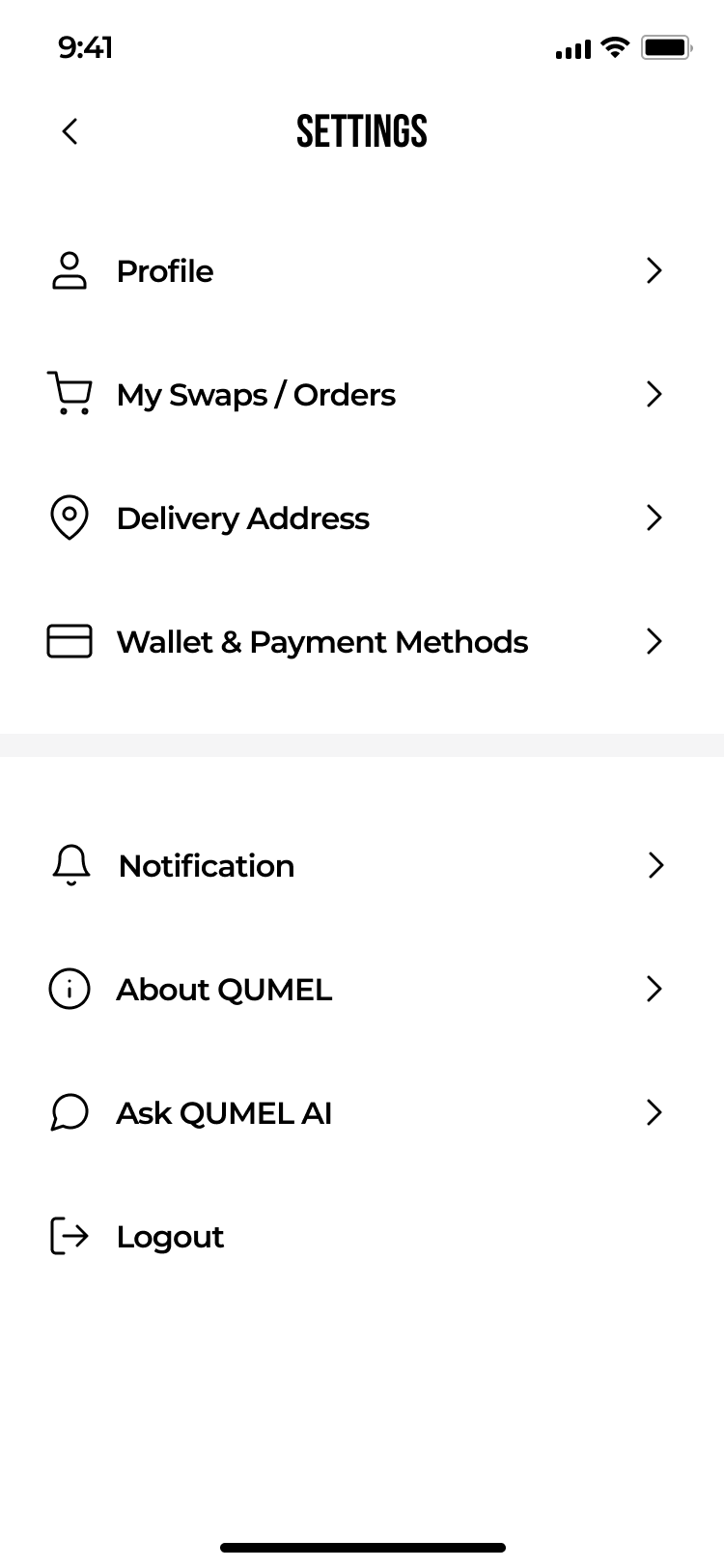
Account
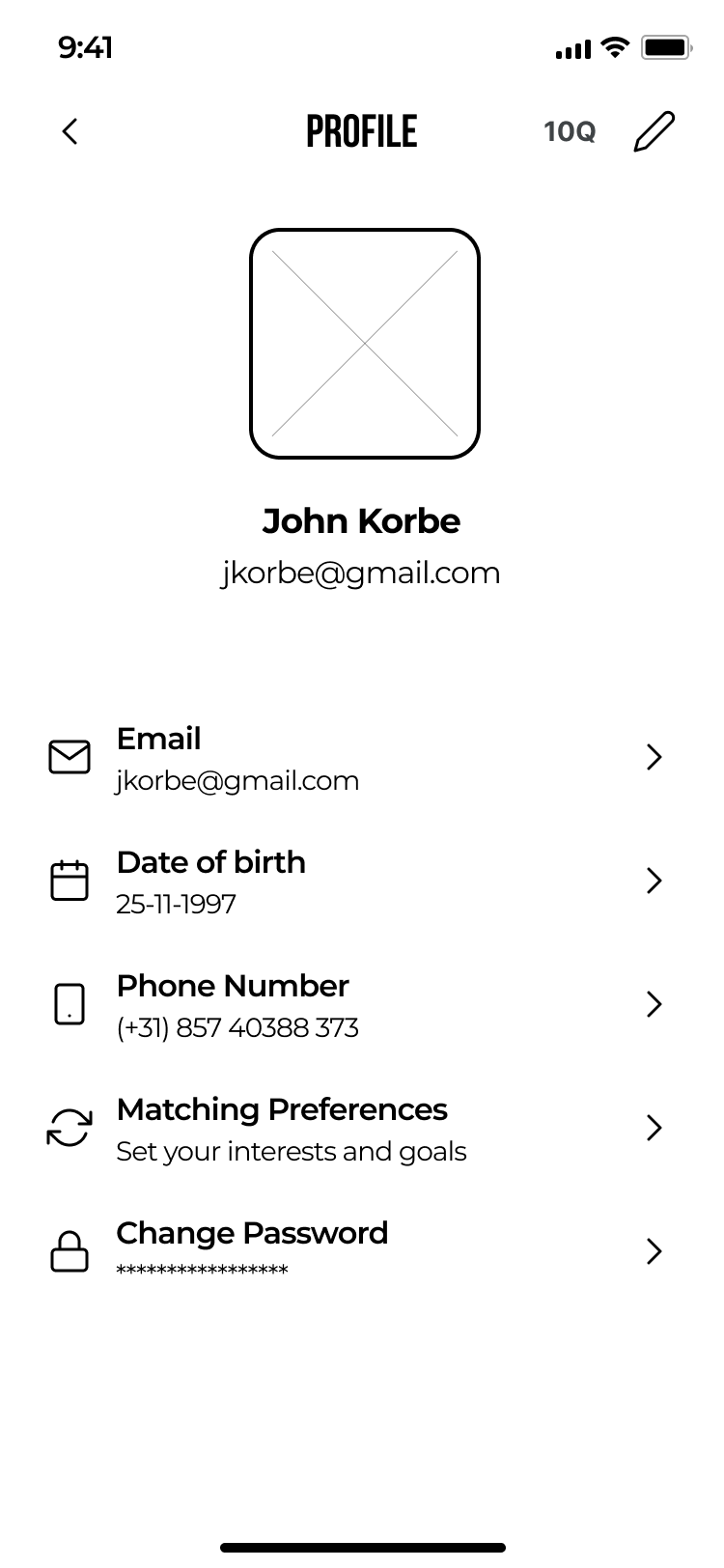
Profile
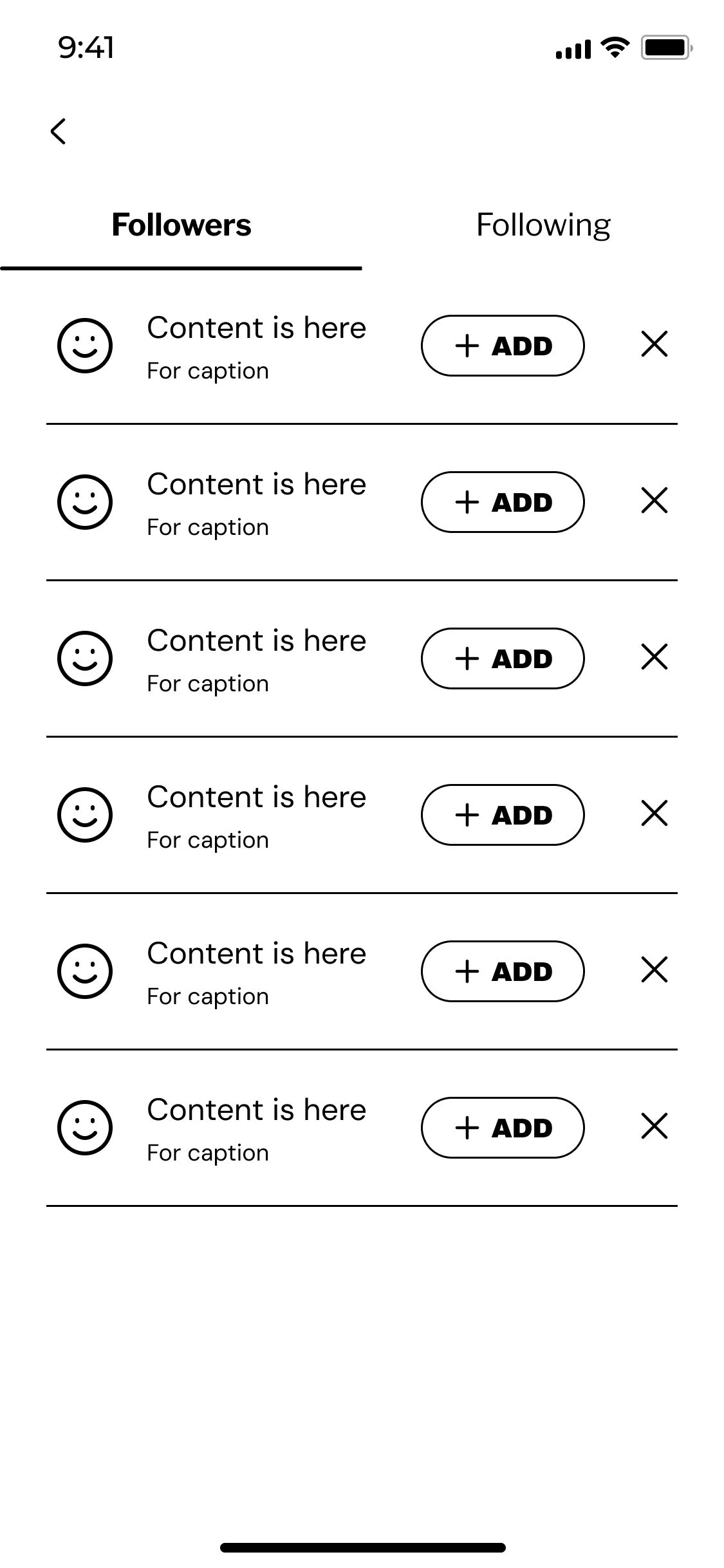
Followers
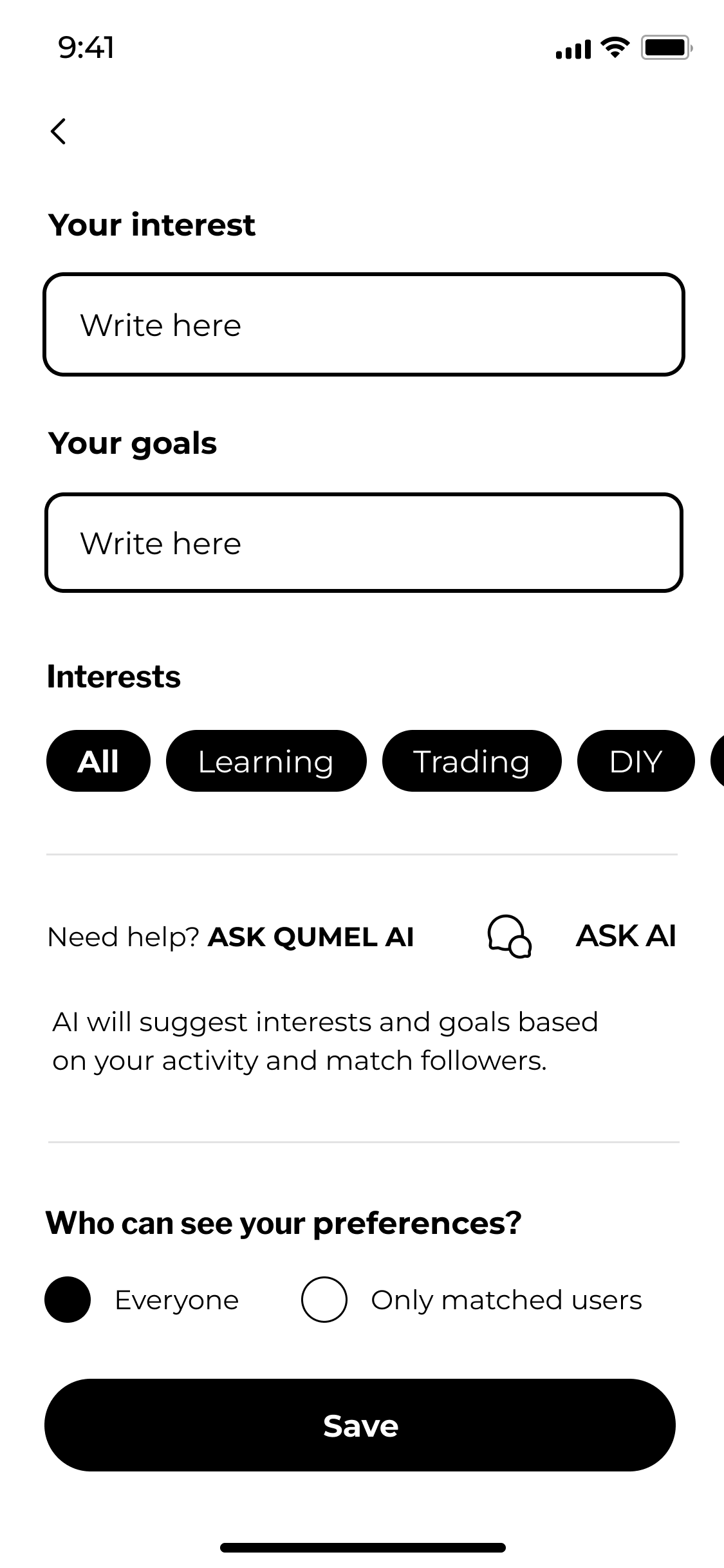
Matching Preferences
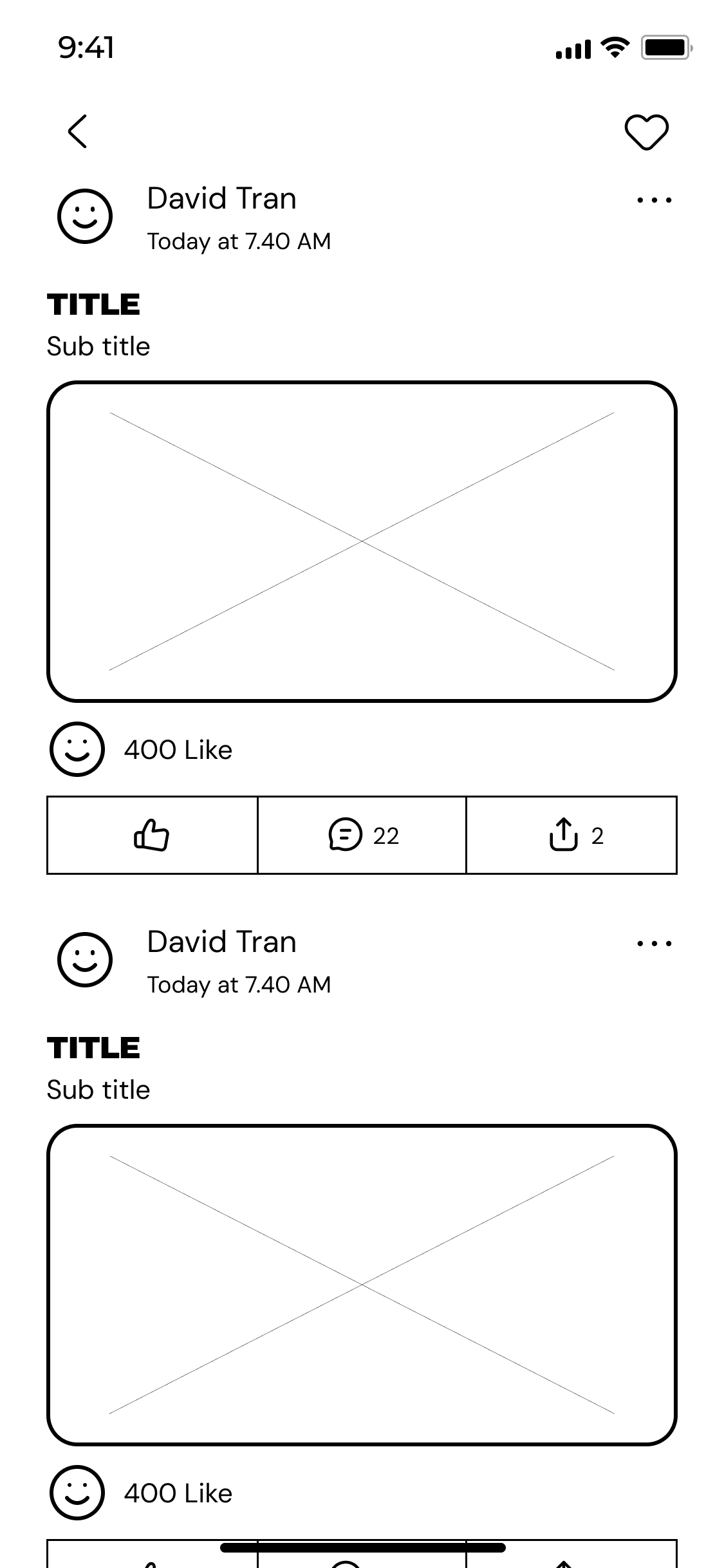
Following Profile
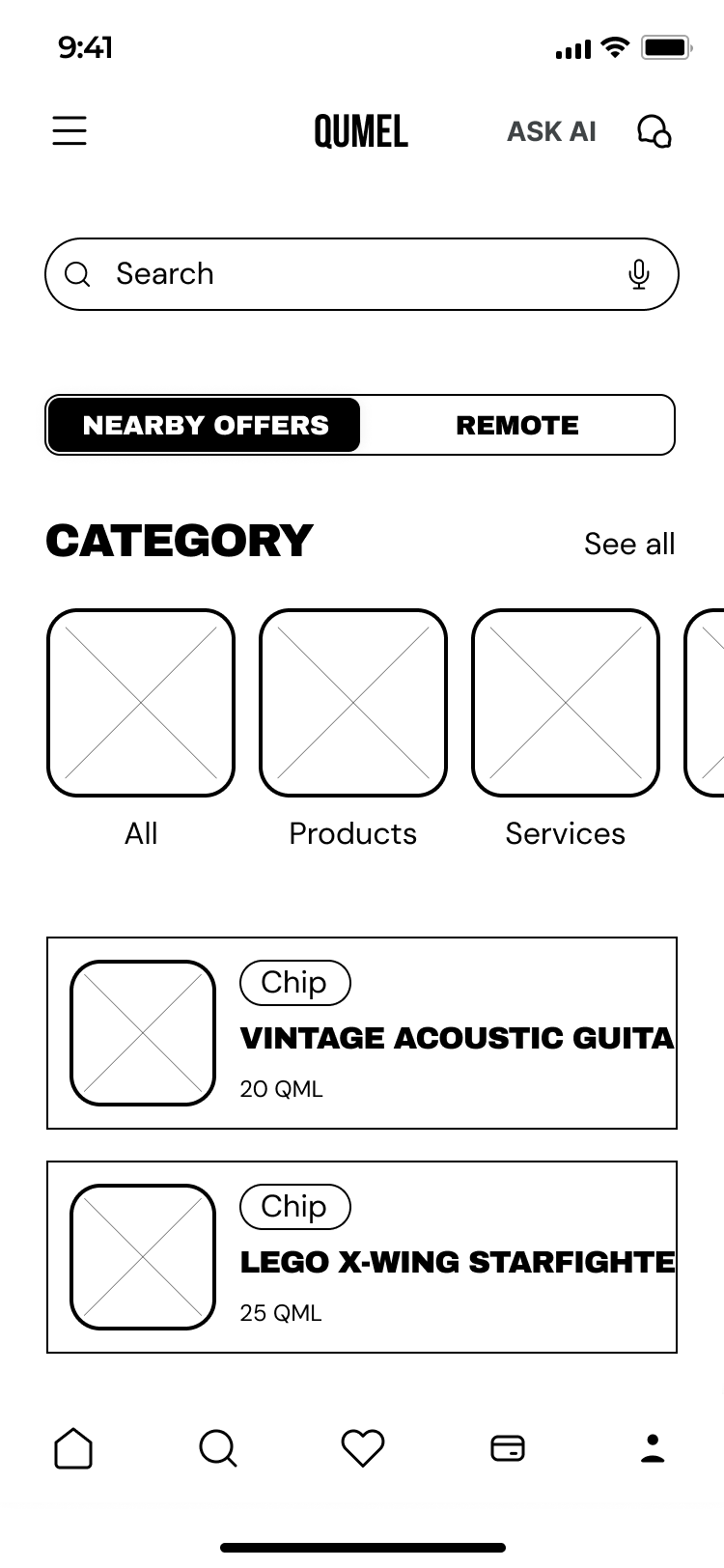
Home
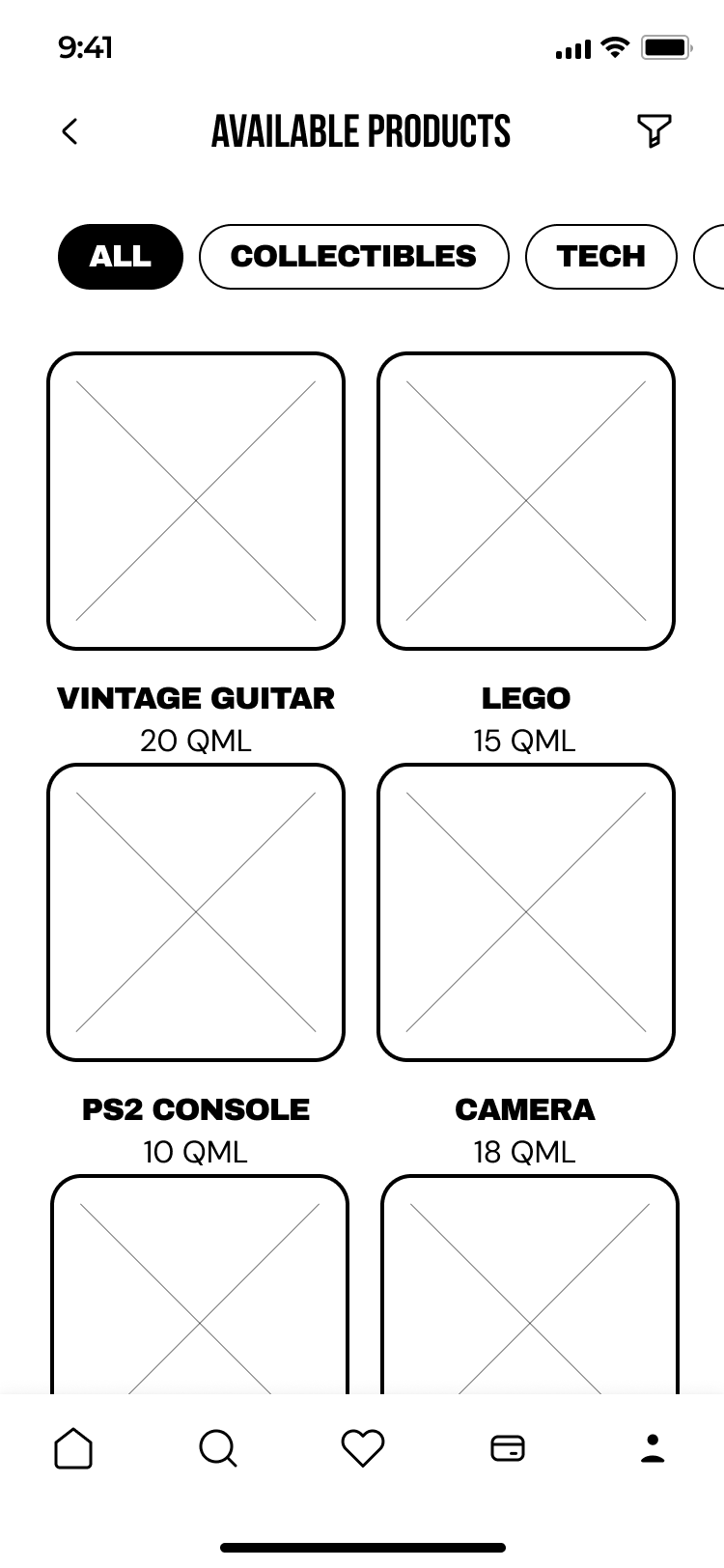
Item list
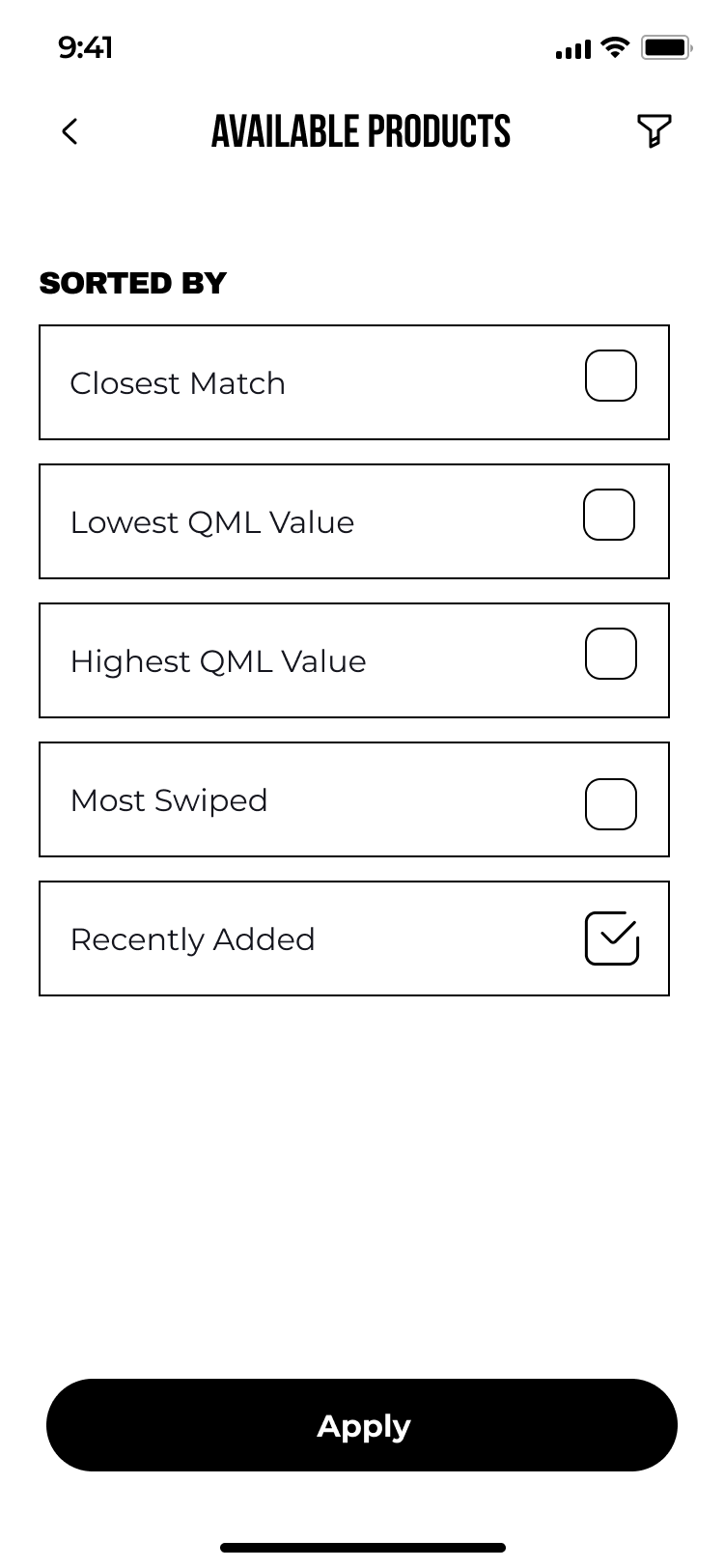
Sort by
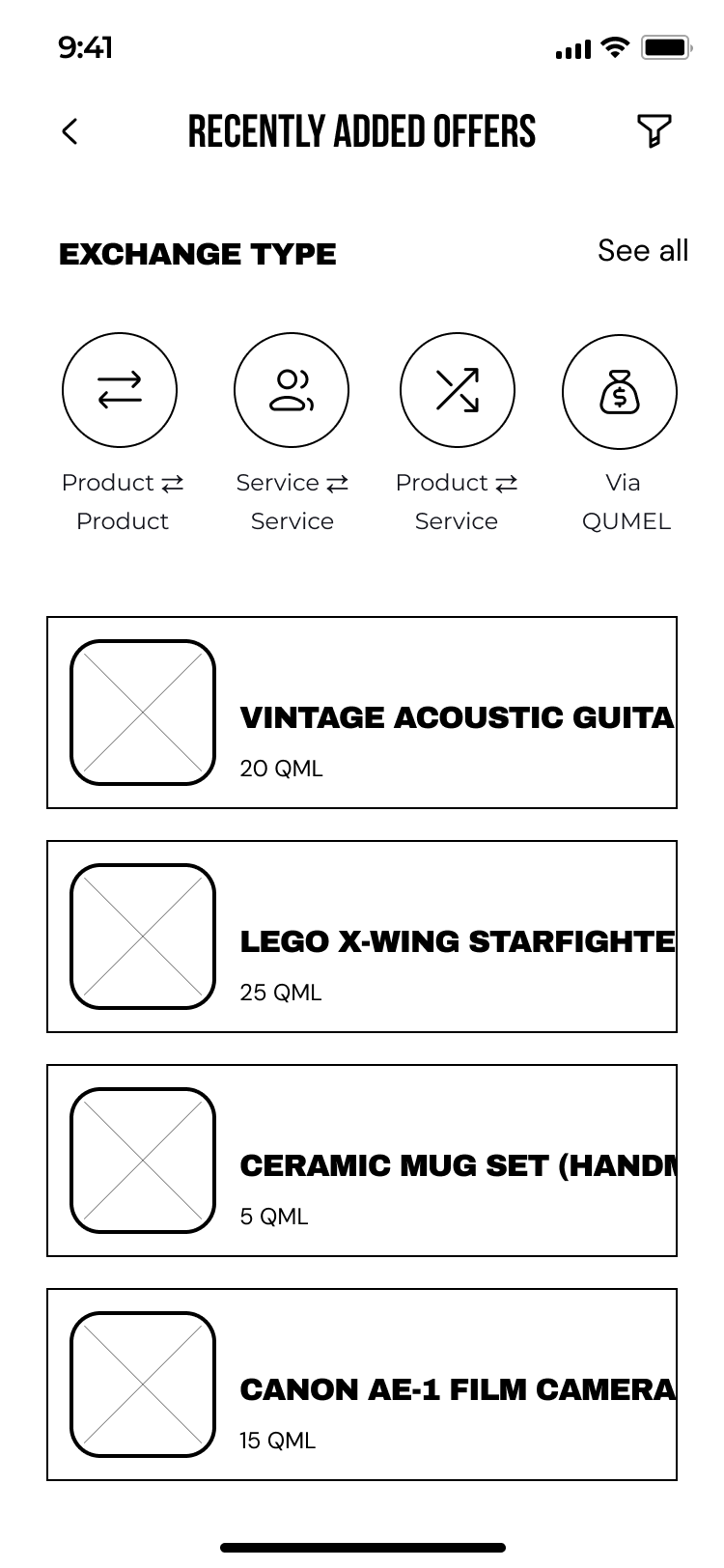
Recently added ofers
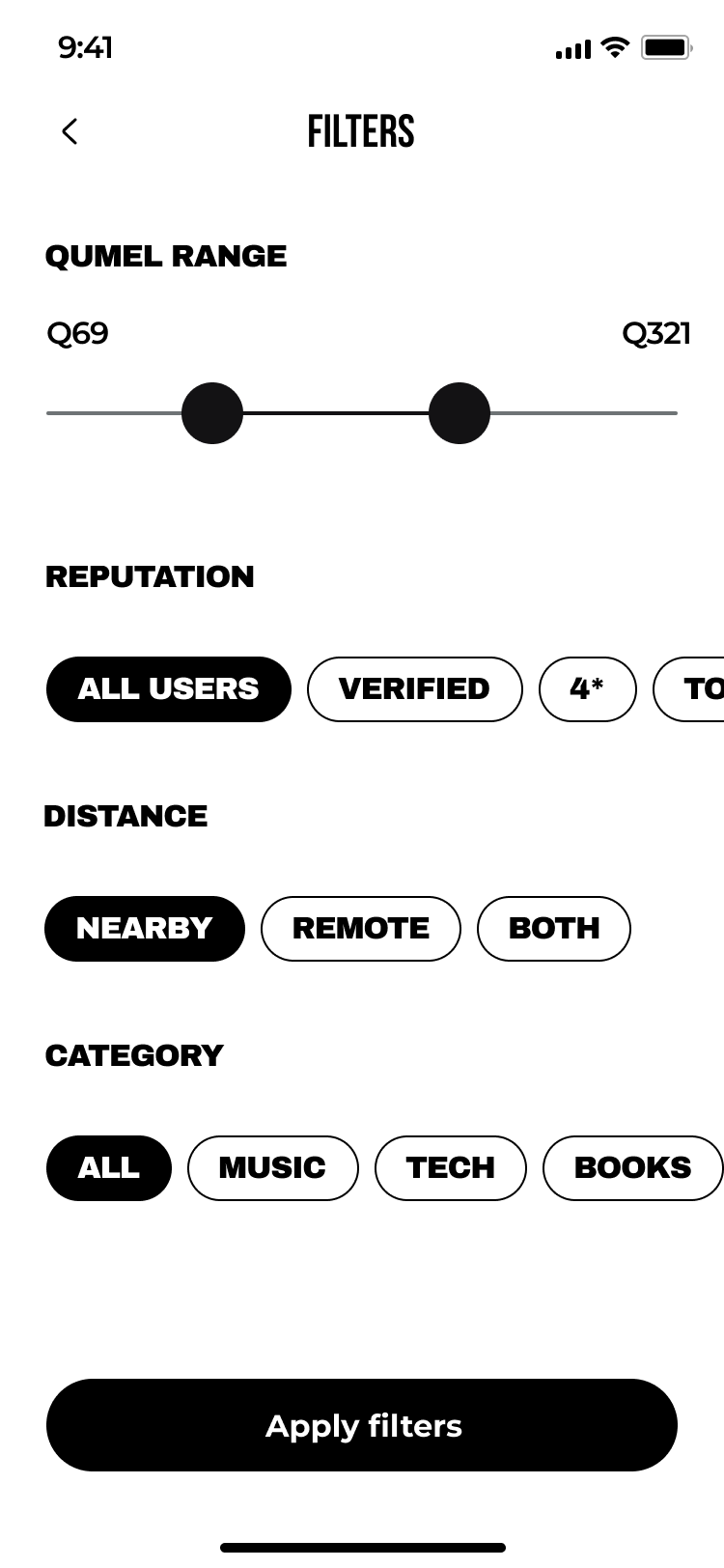
Filters
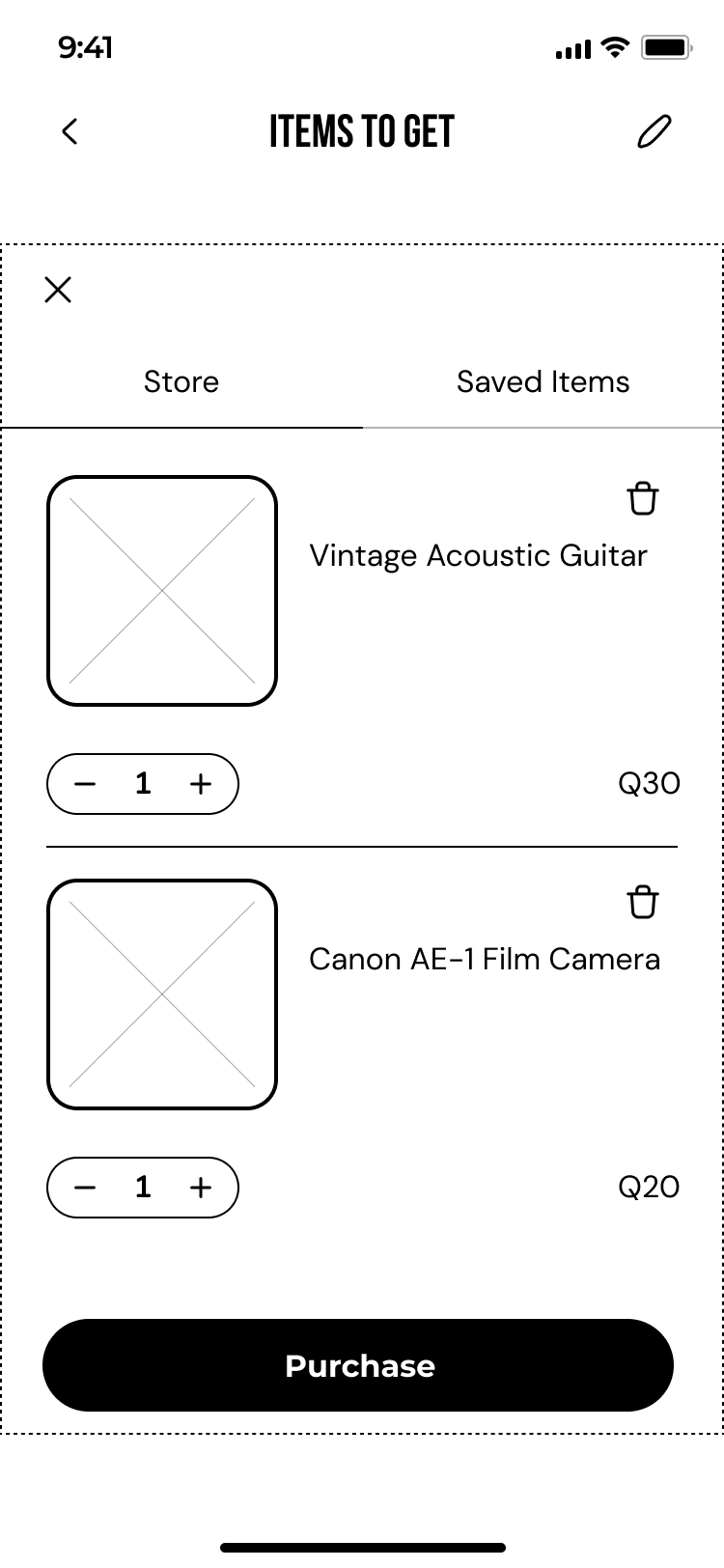
Purchase the order
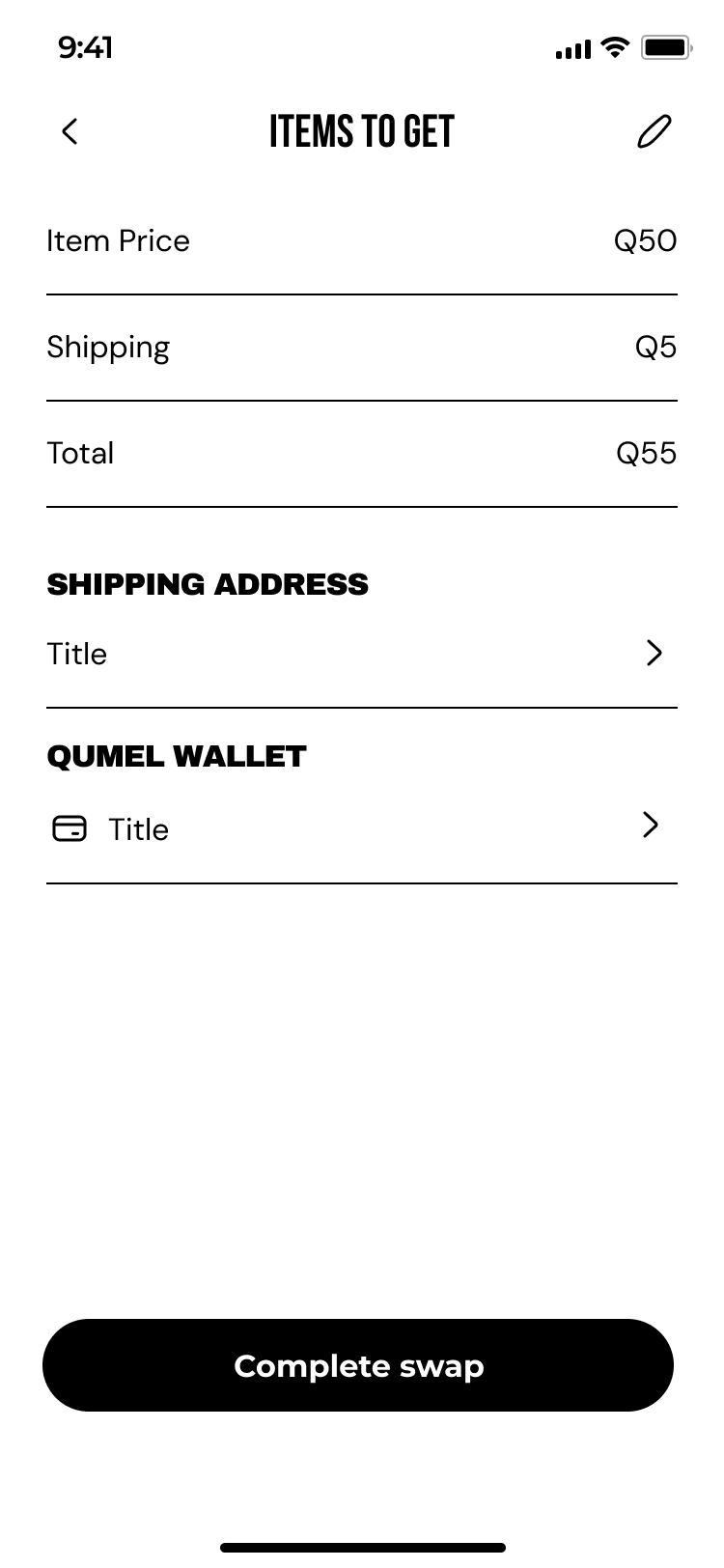
Checkout & Order Review
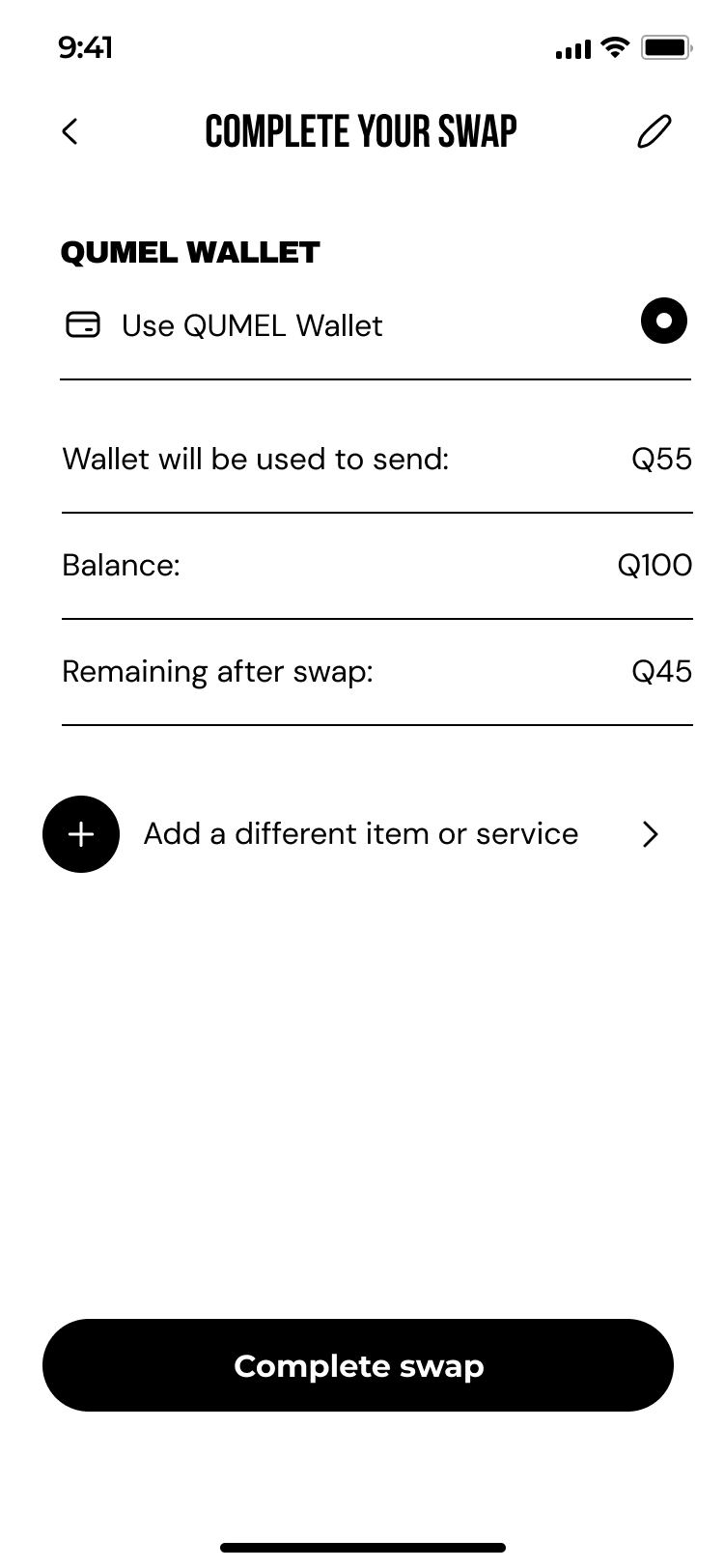
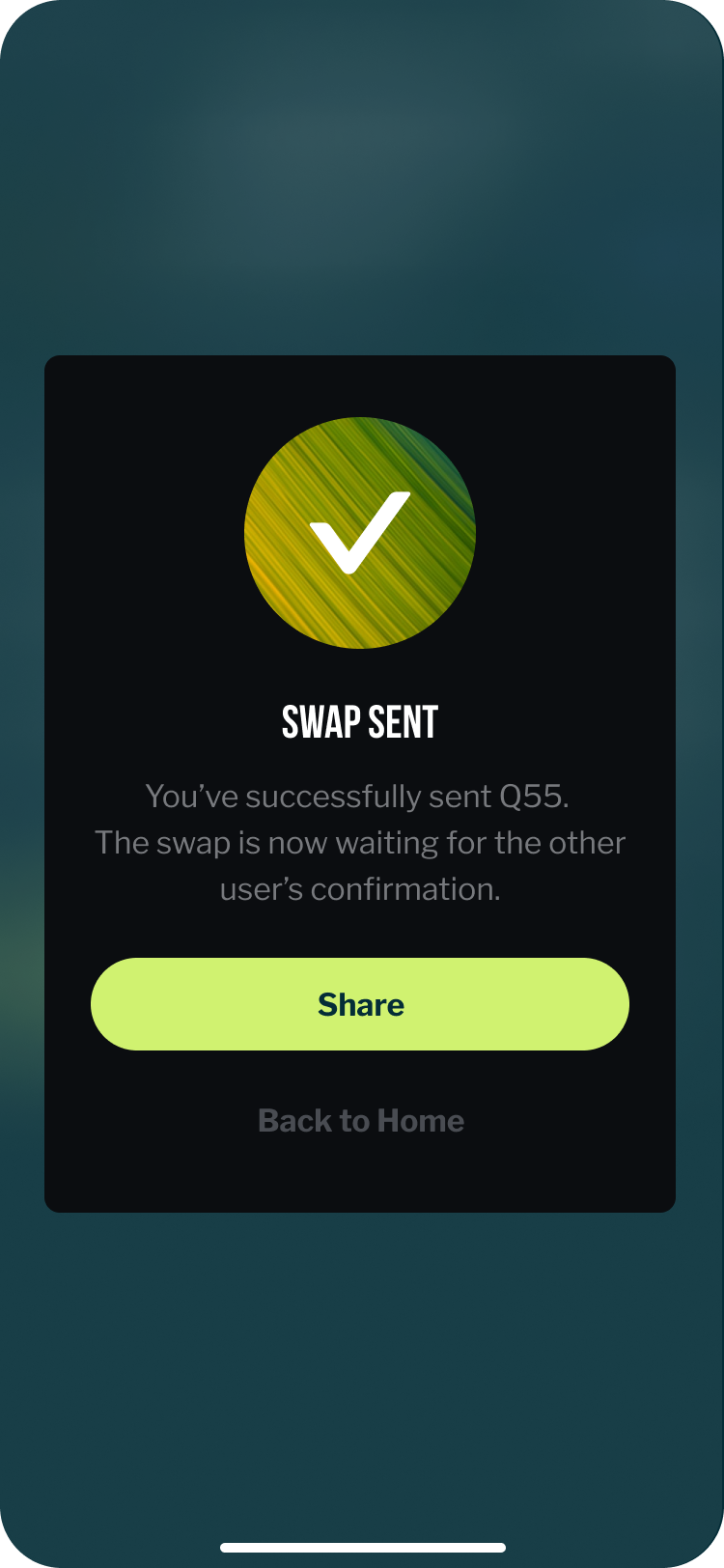
Complere your swap
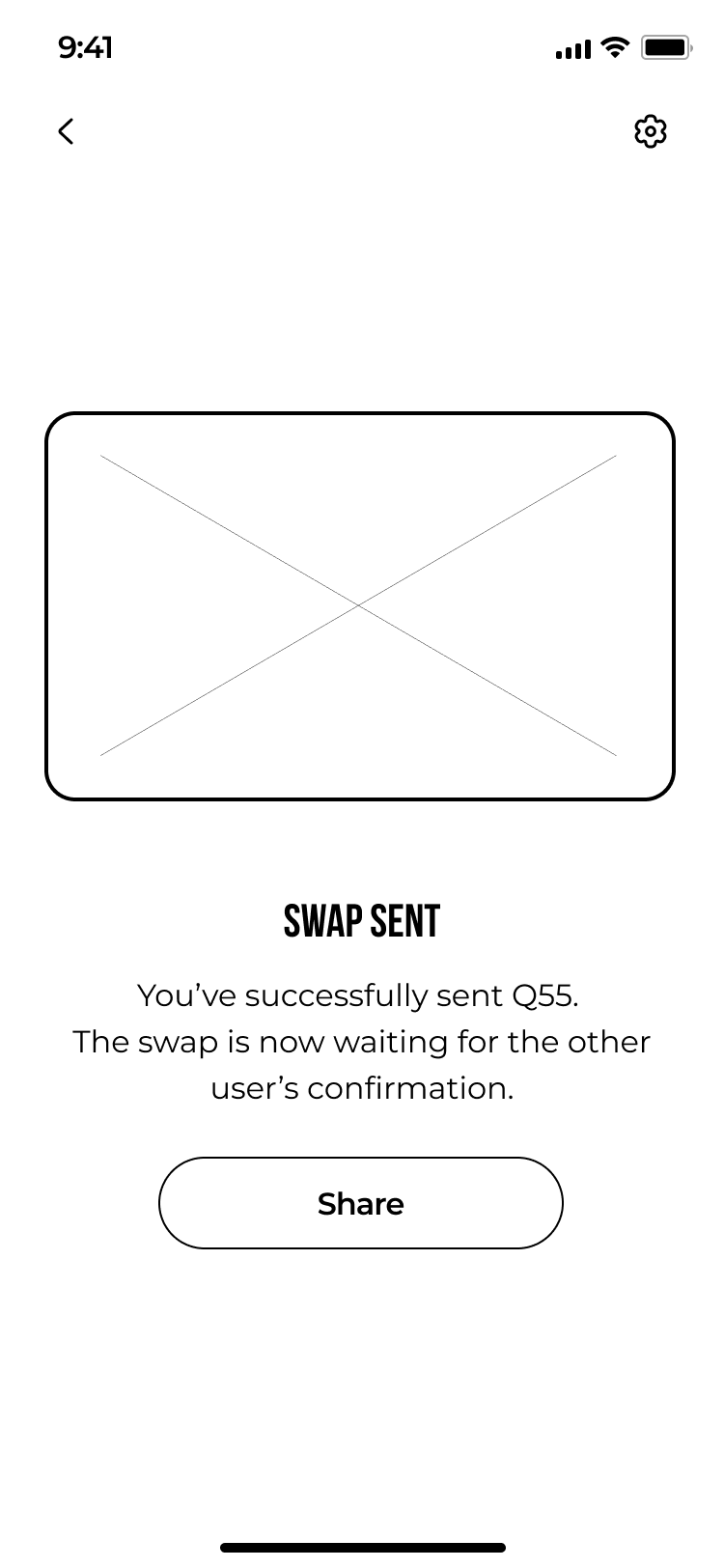
Acknowledgement & Success
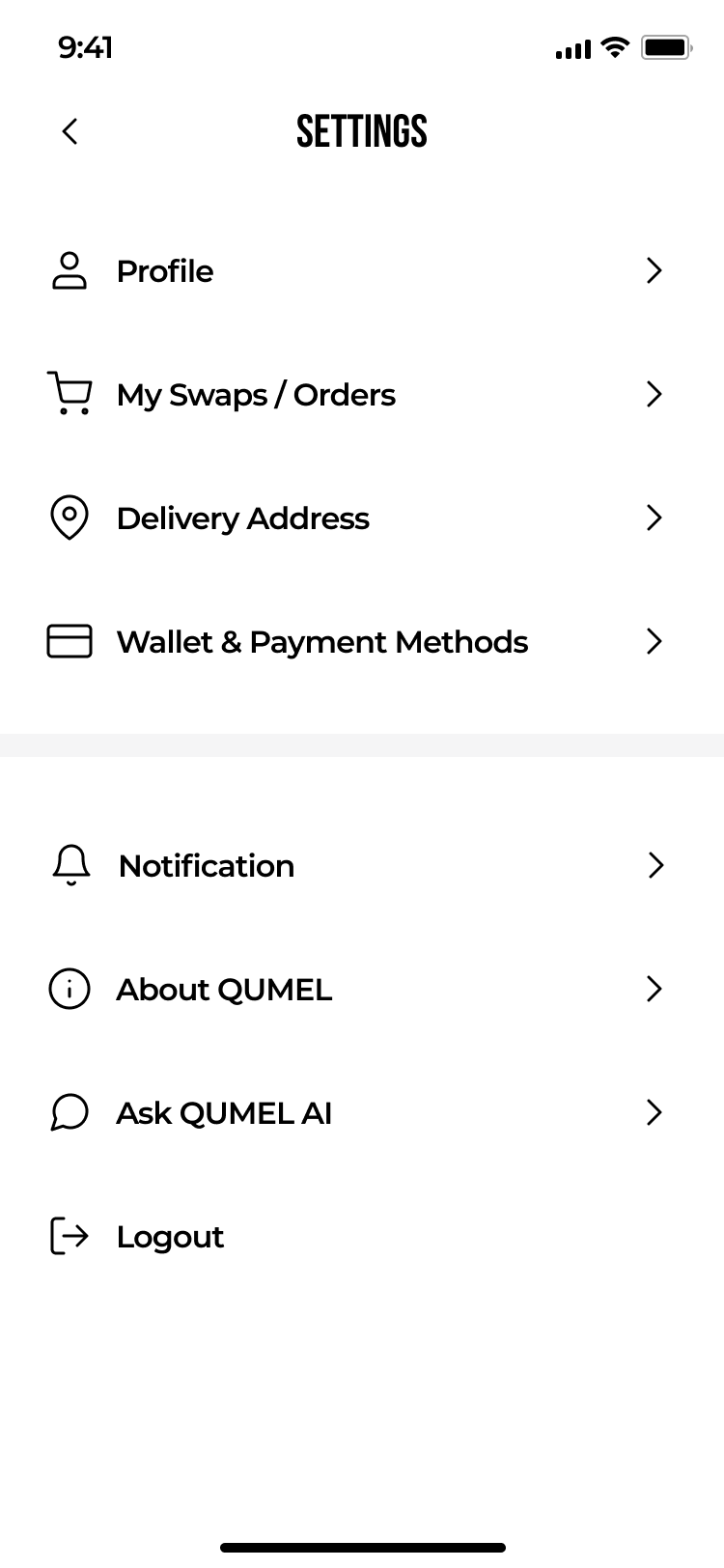
Account
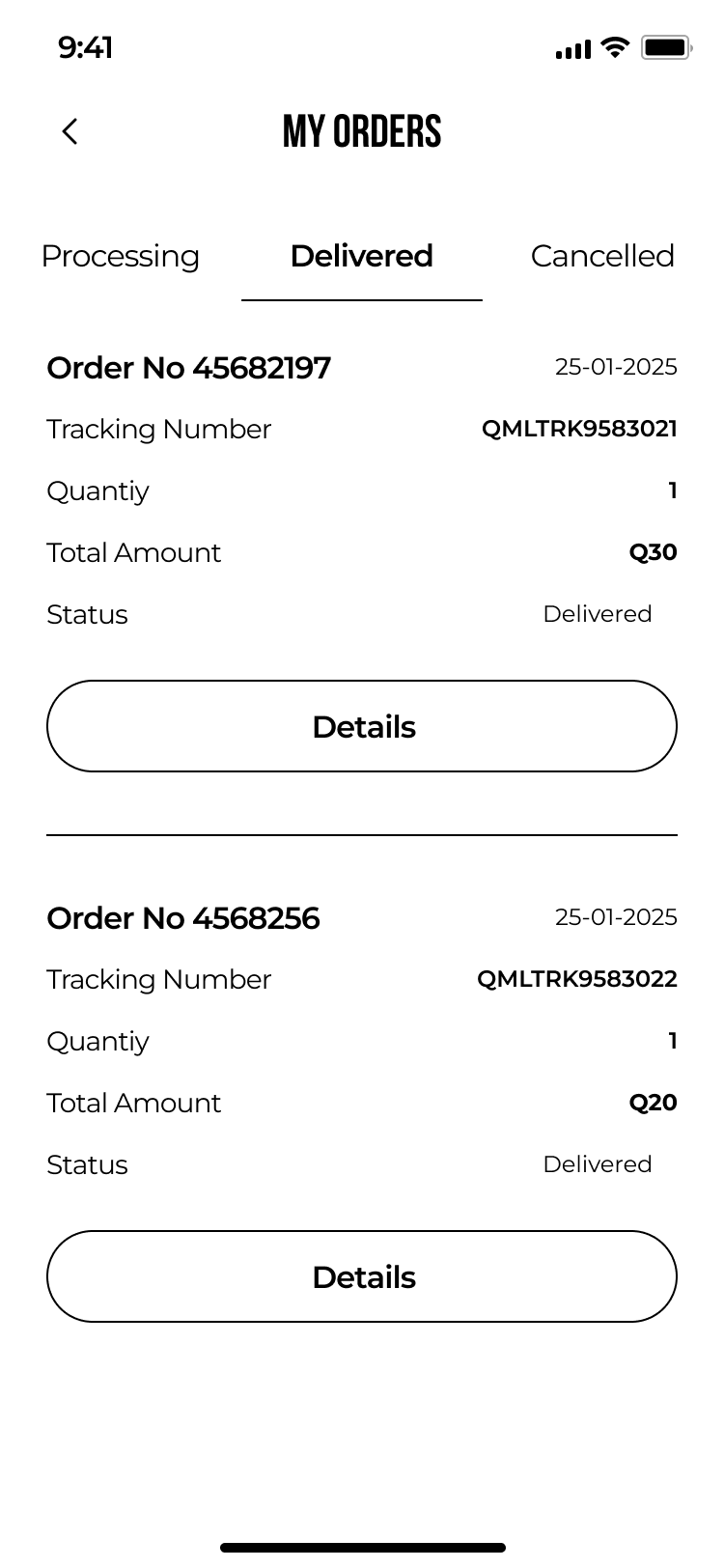
Order History
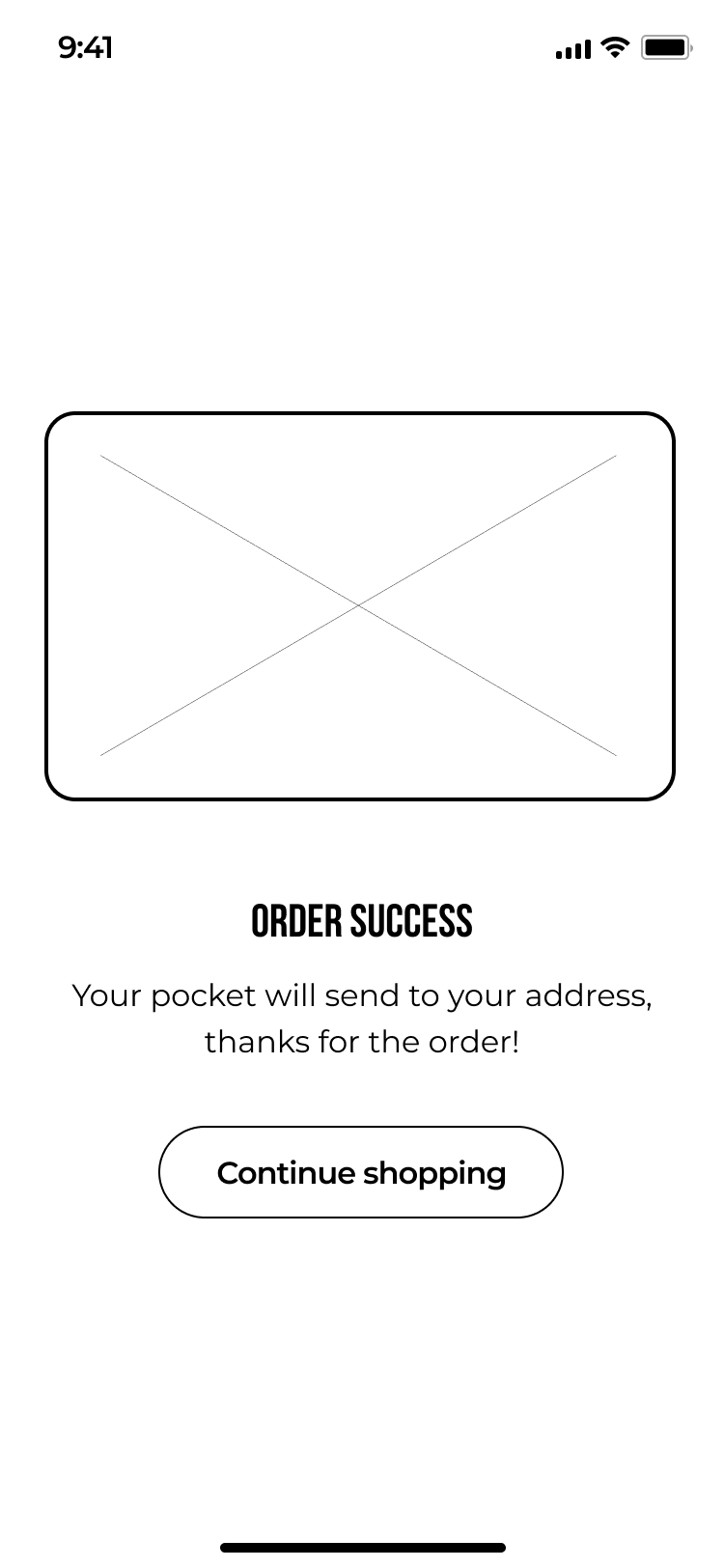
Order Success
User Testing
To validate core app flows and improve functionality, I conducted moderated usability testing with 5 users using the low-fidelity prototype of the QUMEL mobile app. The goal was to assess intuitiveness, feature clarity, and detect potential friction points in the peer-to-peer transaction model powered by QUMEL tokens.
Key Findings & Improvements
Wallet Integration Awareness
Some users were unaware that a wallet needed to be connected before completing a transaction. A wallet prompt screen was introduced earlier in the flow, including status indicators and dynamic feedback to guide users.
QUMEL Token Visibility
Users were unsure of how many QUMEL tokens they had available for transactions. As a result, a token balance display was added to the Profile Details screen to provide clarity and build confidence during exchanges.
AI Assistant Usability
Users found the AI assistant interesting but were unclear on how to fully use it. A short onboarding guide, example prompts, and sample chat history were added to help users understand how the AI can support service discovery and offer suggestions.
Future Improvement: Notification Center
Although not fully tested yet, testers mentioned they would benefit from a notifications tab where they can track new matches, transactions, and reward progress. This will be considered in the next iteration.
UI Design
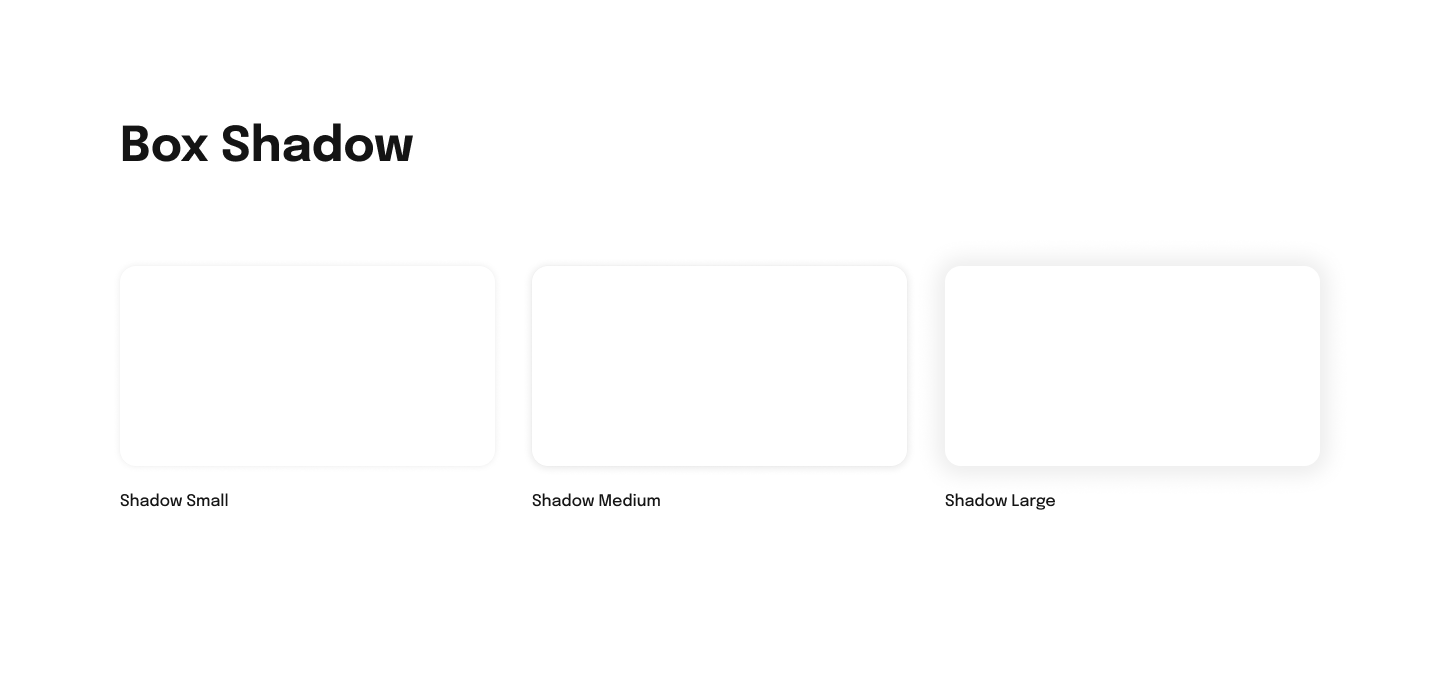
A modern, dynamic, and cohesive interface was designed to support intuitive navigation, emotional engagement, and full compliance with iOS guidelines.
The visual identity is inspired by gaming aesthetics – combining a dark interface, vibrant neon green highlights, and microinteractions to energize real-time actions.
Key Design Insights
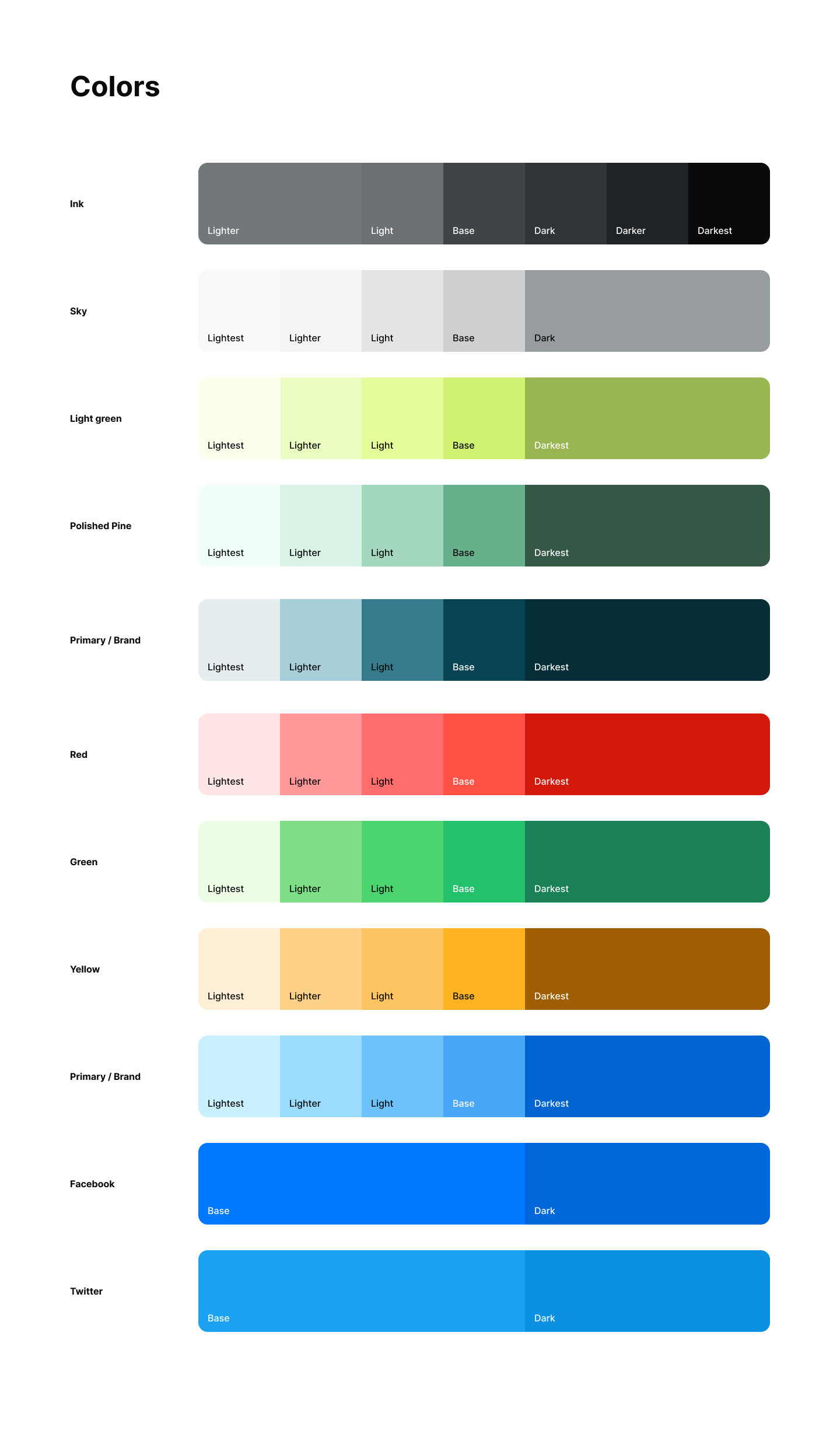
Color Palette Optimization
A consistent set of colors was used to create a bold and recognizable interface:
-
Base #D2F76C – Primary CTA buttons, icons, and active states
-
Darkest #042D37 – Backgrounds, headers, and high-contrast elements
-
Light #F2F4F5 – Labels, outlines, and subtle UI elements
-
Lightest #F7F9FA – Soft backgrounds and neutral components
The palette reinforces emotional intensity and trust, ensuring clarity and strong visual rhythm throughout the app.
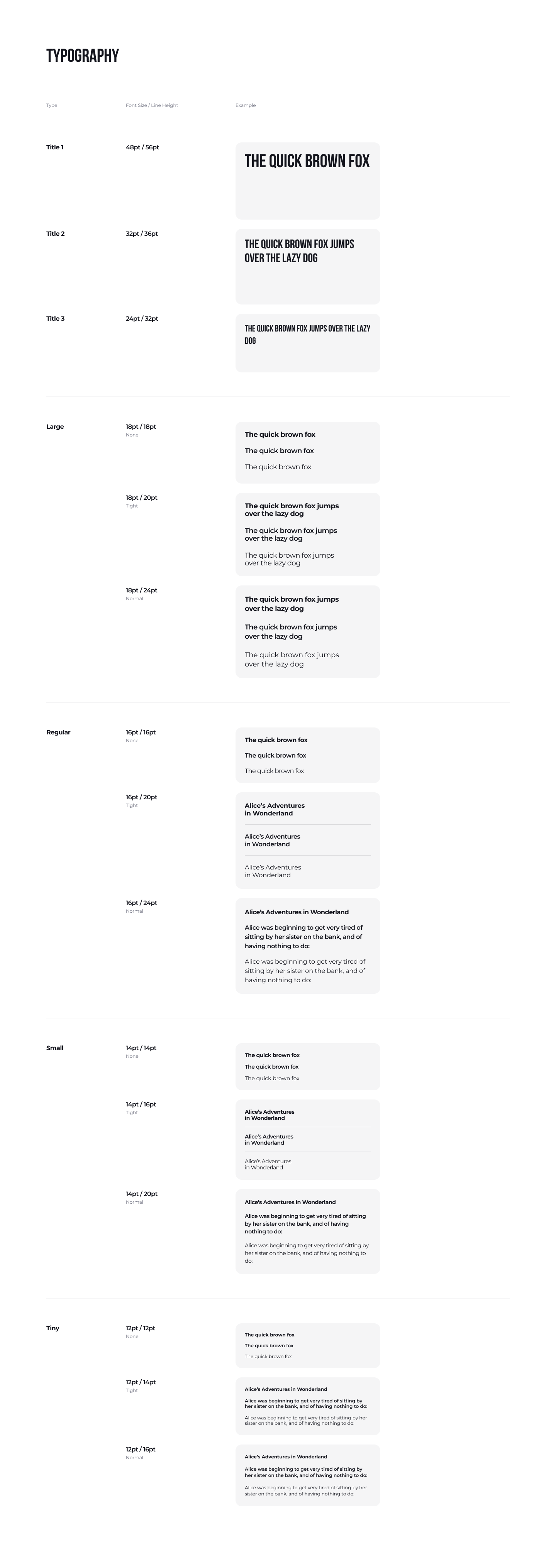
Typography
Two fonts were selected to build strong hierarchy and modern aesthetic:
-
Bebas Neue – Used for section titles and headlines to create bold impact
-
Montserrat – Used for body text, labels, and UI microcopy for readability and clarity
This combination ensures a clean layout, fast readability, and brand consistency across all user actions.
Final Refinements
Through usability testing and feedback-driven iteration, final improvements were introduced to enhance clarity, boost personalization, and increase user confidence. The updates focused on the core value of smart, smooth exchange and better support for users during key decision points.
Key Findings & Improvements
AI Assistant Enhancements
Instructions and an example chat preview were added to guide users on how to use the assistant for offer discovery and profile suggestions.
QUMEL Token Visibility
A token balance indicator was introduced on the profile screen, allowing users to clearly track available funds before completing exchanges.
Notification Center Updates
A new notification panel was added to centralize important updates such as reward status, confirmed transactions, and personalized AI tips.
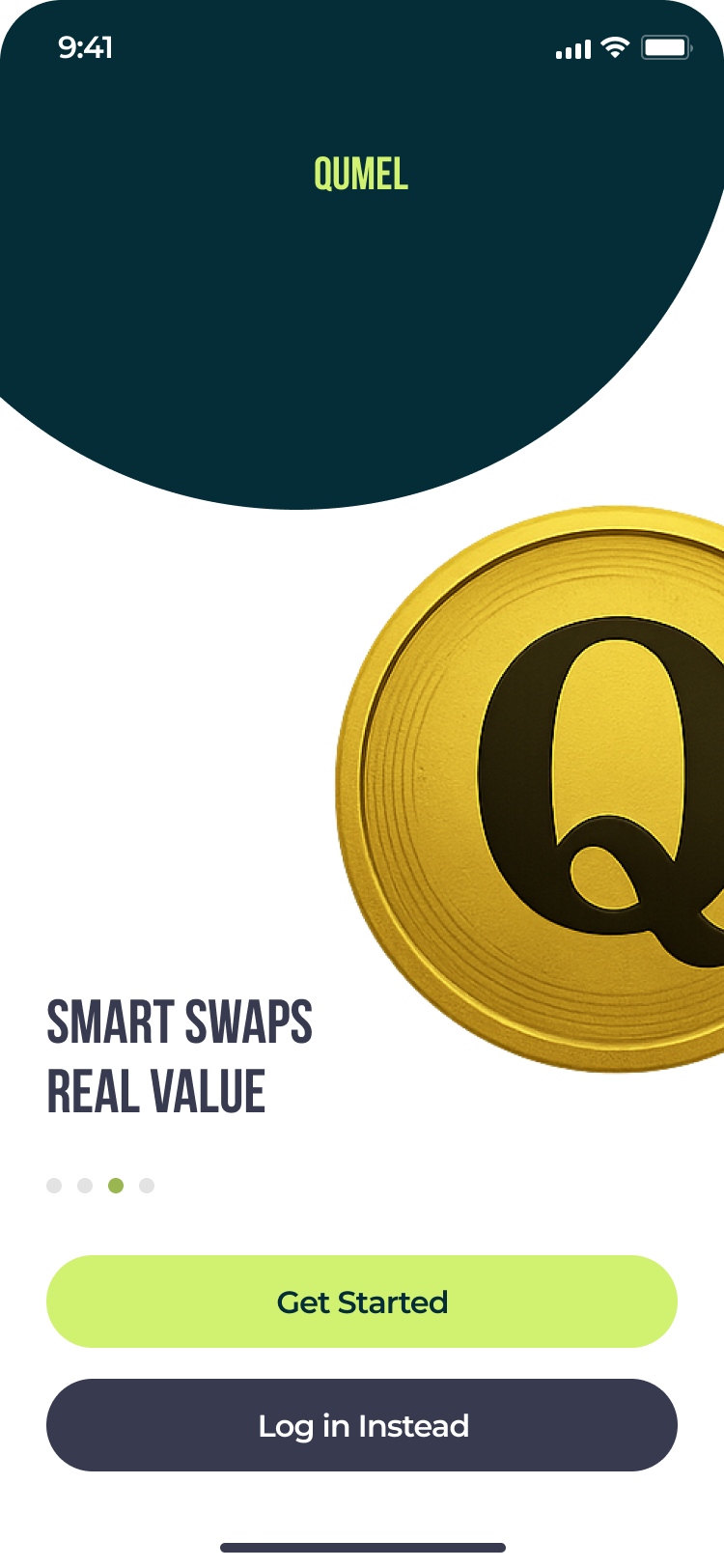
Welcome & Get Started
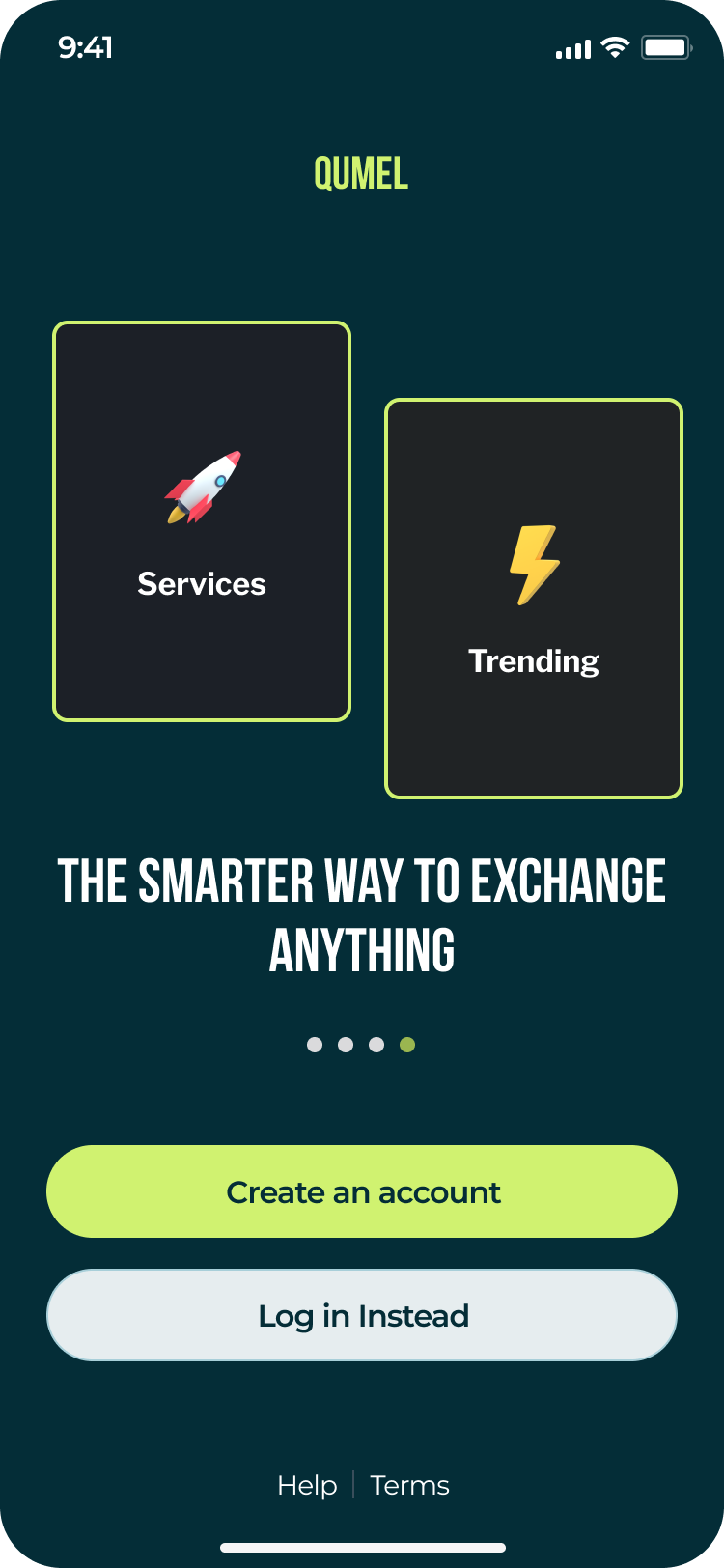
Create account
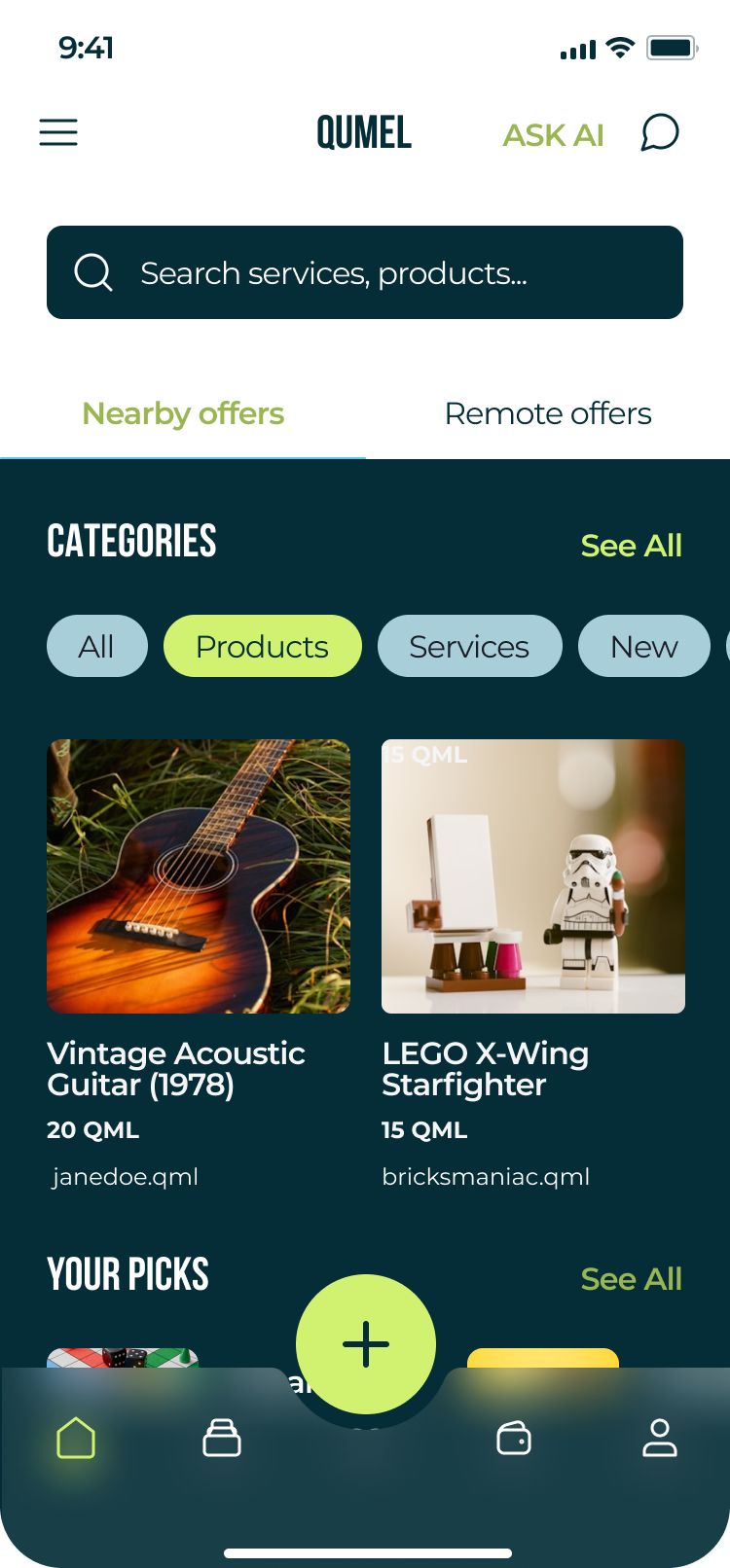
Home
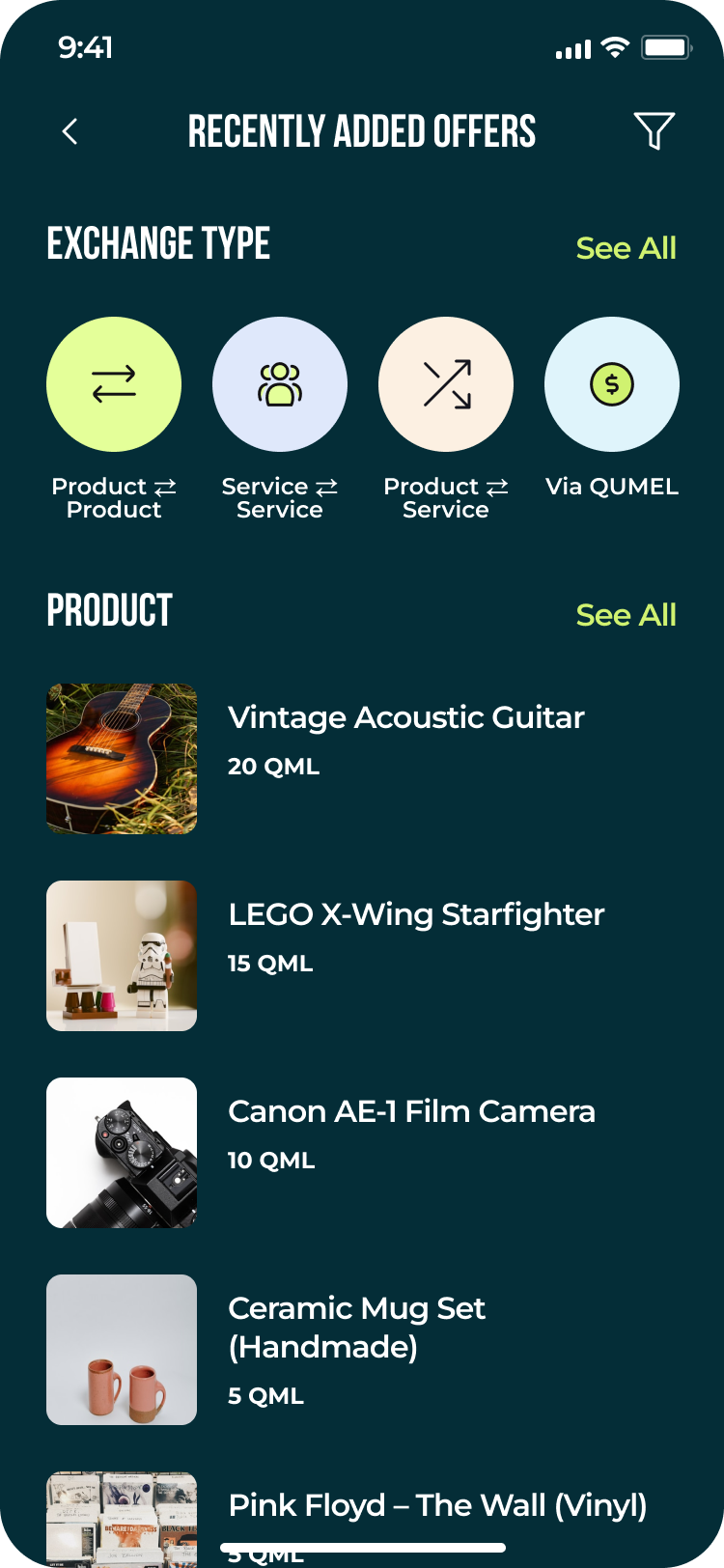
Recently added offers
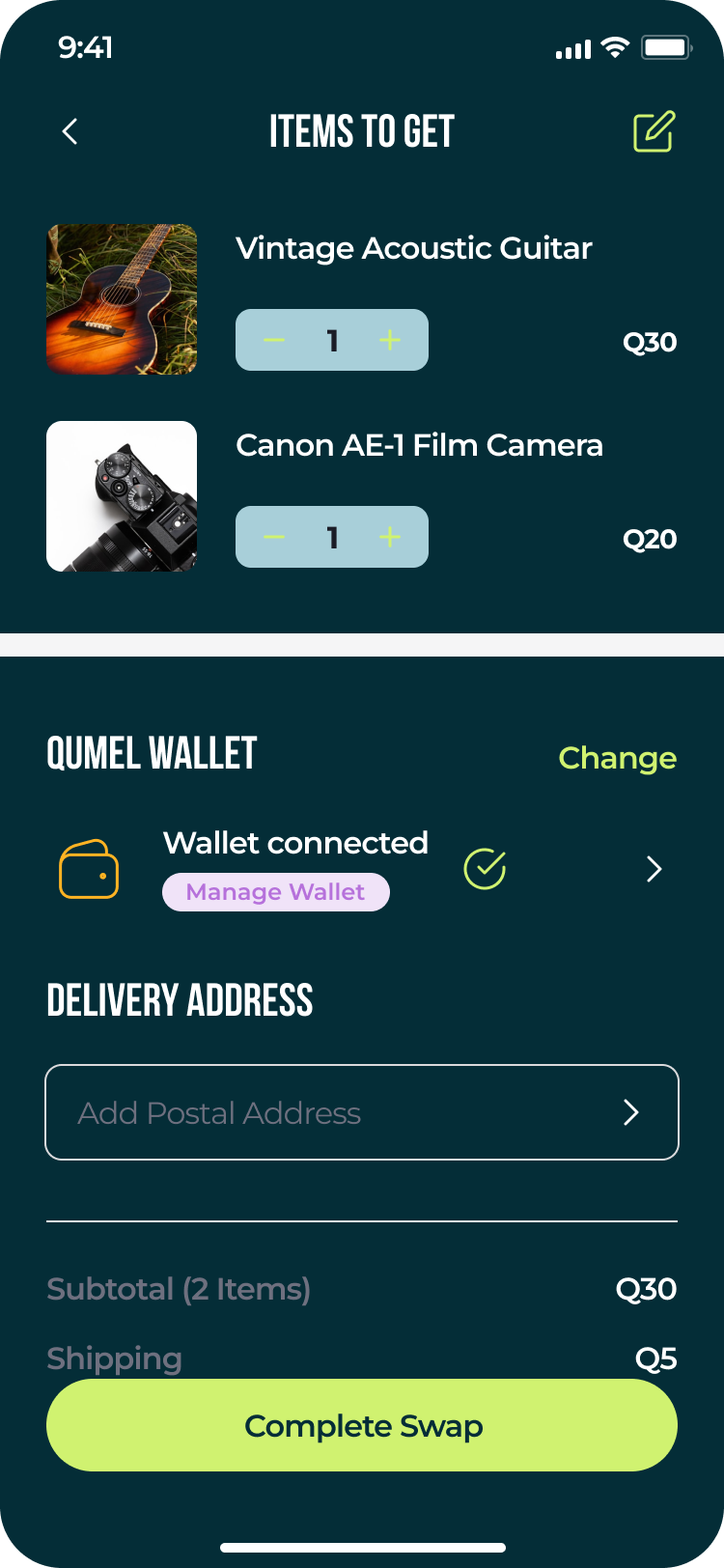
Confirm & Send QUMEL
Launch Screen
Project Summary
QUMEL is a token-powered, AI-enhanced platform that enables seamless peer-to-peer exchange of services and products — built to reward activity, simplify matching, and foster trust.
Product
-
Peer-to-peer exchange – QUMEL allows users to trade services and products directly with each other using QUMEL tokens, without middlemen or traditional currency.
-
Flexible transaction model – Users can exchange item-for-item, service-for-service, or mix both using token-based transactions, supported by smart matching logic.
AI Integration
-
Personalized matching – An AI assistant helps users discover relevant offers by analyzing their profile, interests, and past interactions.
-
Guided onboarding – Instructional content and sample chat previews were introduced to educate users on how AI can support their experience.
Communication
-
Real-time feedback – Token balance, offer updates, and wallet status are clearly visible to guide the user throughout the exchange journey.
-
Reward motivation – Notifications and progress indicators were added to highlight earned QUMEL tokens and incentivize ongoing engagement.